
Dental Bonding in Buffalo, NY
Experienced Dentist Providing Affordable Dental Bonding Throughout WNY
When veneers prove too costly or too invasive for an individual interested in cosmetic dentistry, composite bonding, also known as dental bonding, may be a more economical and less permanent option. Whereas veneers require that a patient’s teeth be etched—a process that is not reversible—for implantation to be successful, composite bonding can be applied to any clean tooth and easily adjusted by a dentist.
Veneers are placed so that they cover an entire tooth, which may make them unnecessary to fix minor flaws, while composite bonding is applied directly to the site of the tooth’s imperfection. Composite bonding also costs a fraction of the cost of veneers, though pricing varies by practice, supplier, and location.
However, there are a few ways in which veneers are superior to composite bonding. Veneers are far more stain-resistant than composite bonding is, and because bonding is weaker than both enamel and veneers, it must be replaced every few years. Composite bonding can be weakened by nibbling on hard, inedible objects, such as fingernails, ice cubes, and pen caps, while veneers are more resistant. To summarize, composite bonding is a more affordable option than veneers and is ideal for fixing small imperfections, but veneers are longer-lasting and better suited for changing the overall shape of a tooth.
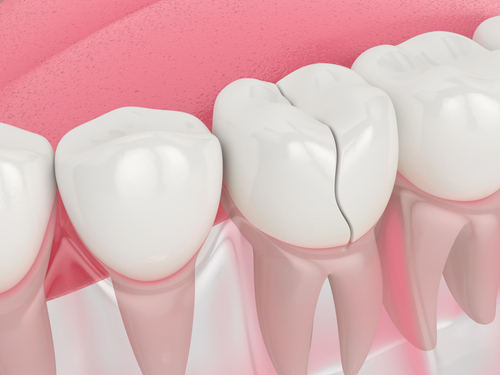
Composite bonding is best suited for correcting minor flaws in tooth form or color. Teeth with particularly deep stains or that are naturally discolored may be immune to the effects of teeth whitening treatments, and composite bonding may be one of a mere handful of options that can alter the tooth so it matches the rest of the mouth. Slight cracks or chips in teeth can be repaired and covered with bonding, and applying bonding to the edges of adjacent teeth can minimize the size and appearance of gaps. Composite bonding can even transform teeth that are too small or simply do not match others in an individual’s mouth.
Before composite bonding can be administered, a candidate must demonstrate strong oral health. Screenings conducted by a dentist will identify any limiting factors, such as cavities or gingivitis, that must be eliminated before bonding can be applied. The procedure itself is simple and can be completed in less than an hour during a single visit. Once the dentist and the patient select a resin that matches the patient’s tooth color, the dentist will coat the affected tooth or teeth with an adhesive solution to which the resin is added. The dentist then sculpts the resin into the desired shape and hardens it with an ultraviolet lamp. The resin is then shortened and polished, as needed, to fit with the patient’s other teeth.
Because composite bonding cannot be bleached, it is recommended that individuals seeking to whiten their teeth do so before receiving bonding, as composite bonding can stain more easily than veneers or crowns. Composite bonding will last for several years with proper care and maintenance.
If you have questions about dental bonding, please contact our Buffalo dental office and schedule an appointment today.