A small crack in a windshield doesn’t look urgent at first. You notice it, shrug it off, and tell yourself you’ll deal with it later. But as the days pass, the temperature shifts, and the car hits a few bumps, that tiny flaw stretches until the whole pane is at risk. A broken tooth behaves the same way. What starts as a small chip or hairline fracture can quickly evolve into more serious damage that affects your comfort, your bite, and the stability of the tooth itself. By the time pain shows up, the issue has already progressed, which is why coming in early helps us protect the tooth before that “small crack” becomes a much bigger problem.
How Urgent Is a Broken Tooth?
A tooth can break for many different reasons, but the pattern is often the same: something places more pressure on the tooth than its current structure can handle. Hard foods, an unexpected blow to the face, or long-term grinding all add stress that can weaken enamel. Decay and large fillings also leave a tooth more vulnerable, since the internal structure has less support. Even sudden temperature shifts can stress already-compromised enamel. When these factors stack up, a crack or fracture can form without much warning.
When a break occurs, the next question is how quickly you need to respond. We will evaluate all types of fractures, but the level of urgency depends on how you’re feeling and how much tooth structure is involved. Severe pain, exposed inner tooth layers, uncontrolled bleeding, or a sharp edge that cuts your mouth all indicate an urgent situation. These signs mean the tooth may be open to infection or further damage, so same-day or emergency care is appropriate.
A small chip without pain or bleeding is less urgent, but it still deserves attention soon. Even a minor break can worsen as you chew, allowing bacteria to enter weakened areas. Scheduling an appointment within the next few days helps protect the remaining tooth structure and keeps treatment simple.
No matter the size of the fracture, prompt professional care gives you the best chance of preserving the tooth and avoiding more complex treatment.
How We Treat a Broken Tooth
Minor to Moderate Damage
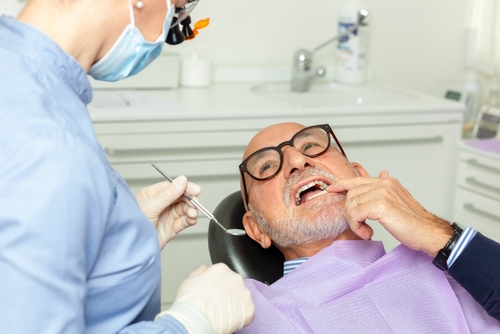
When you arrive with a broken tooth, we begin by evaluating how much of the structure remains and how the injury affects nearby tissue. That initial exam helps us determine the most reliable way to stabilize the tooth, ease discomfort, and protect your oral health moving forward. Once we understand the degree of damage, we walk you through the treatment options that fit your needs.
If the break is minor, we focus on reinforcing the weakened area so it doesn’t worsen. Dental bonding works well for small chips because we reshape the missing portion with a tooth-colored material that hardens securely in place. When a fracture creates a small cavity or weak spot, we can restore the area with a composite filling. Both options help you return to normal function without extensive treatment.
For moderate fractures, we look at how much support the tooth still has. A crown strengthens a tooth that has lost a larger section or can no longer tolerate normal chewing forces. Because a crown surrounds the entire tooth, it restores stability and appearance, especially when a large filling or previous treatment has weakened the structure.
Severe Fractures and Tooth Replacement
If a break reaches the inner portion of the tooth, our goal is to preserve what’s left while protecting you from pain or infection. When the pulp is exposed or injured, we may perform root canal therapy to remove infected tissue and seal the tooth from within. Afterward, we place a dental crown to reinforce the structure so you can use it comfortably again.
Sometimes the damage is too extensive to save the natural tooth. In those cases, we talk with you about replacement options. A dental implant offers a strong and long-lasting solution because it anchors a new tooth directly in the jawbone after we remove the damaged one. Throughout every step, we guide you through your options and recommend the approach that restores both comfort and function.
Protect Your Tooth at Queen City Family Dentistry
When a tooth breaks, timely care protects your oral health and prevents a manageable issue from growing into something more complex. At Queen City Family Dentistry, we’re here to assess the damage, explain your options, and restore the tooth with solutions that fit your needs. If you’ve noticed a crack, chip, or sudden break, contact us today so we can help you keep your smile strong and comfortable.