National data show that many children experience tooth decay by the time they reach early elementary school, long before their full set of permanent teeth arrives. When you think about how often kids graze during the day and how much help they still need with brushing, it becomes easier to understand why decay shows up so frequently. The challenge is that our general understanding of cavities in kids has not always kept pace with what actually causes them.
Ideas like “baby teeth don’t matter” or “decay is just part of growing up” linger because they sound harmless, but they can take the focus away from habits and routines that make a real difference. Once you look past those long-standing assumptions, it becomes clearer how much control we truly have over childhood decay and how small adjustments can make a meaningful impact.
1. Baby Teeth Don’t Affect Oral Health Later On
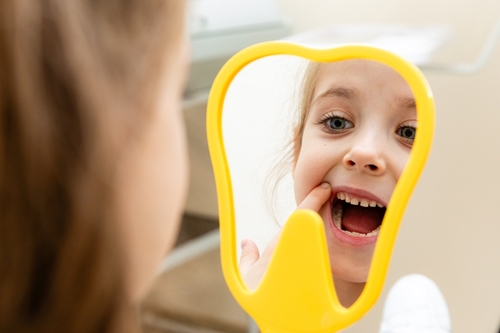
Even though baby teeth eventually loosen and fall out, they hold important responsibilities while they are in place. They guide the development of speech, help your child chew comfortably, and maintain the spacing that the adult teeth rely on.
When a baby tooth develops decay, the infection can spread through the tooth and surrounding tissues, causing significant discomfort and increasing the risk of swelling or abscesses. If a damaged baby tooth is lost too early, the neighboring teeth often drift into the open space. That shift reduces the room available for the permanent tooth and can set the stage for alignment issues later.
By treating problems early, we keep the primary teeth healthy enough to do the job they were meant to do.
2. Cavities in Kids Are Inevitable
Cavities may be widespread in childhood, but they do not have to be an expected part of growing up. Tooth decay develops through a predictable bacterial process, and the habits that disrupt that process are well within a family’s control. When oral bacteria break down sugars, they release acids that soften and weaken enamel.
Daily brushing and flossing remove the biofilm that fuels those reactions, while fluoride reinforces the enamel so it can withstand those acid cycles more effectively. Balanced meals and fewer between-meal snacks also limit how often those bacteria have access to sugars.
The idea that cavities are unavoidable often persists because sugary foods are so common, and many assume that small treats here and there do not make a difference. The issue is frequency, not a single snack. When the mouth is repeatedly exposed to acid throughout the day, enamel has less time to recover.
By keeping routine checkups, strengthening at-home care, and managing snacking habits, you markedly reduce the chance that decay will develop in the first place.
3. Sugar Is the Only Cause of Cavities
Sugar often gets all the attention, but cavities form whenever bacteria receive a steady supply of fermentable carbohydrates. Starches from foods like crackers, pretzels, and cereal bars break down into simple sugars that coat the teeth and settle into grooves. Those residues stay in place far longer than most people realize, giving bacteria plenty of time to produce the acids that weaken enamel. Juices, fruit purees, and flavored yogurts add natural sugars and acidity to the mix, which is why they can be just as damaging as candy when they linger on the teeth.
The pattern matters more than the portion. Frequent snacking keeps the mouth in a near-constant acid cycle, and the enamel never gets the chance to recover. You dramatically reduce risk by limiting grazing, effectively managing brush, and allowing time between meals so the mouth can rebalance. Rinsing with water after eating also helps clear leftover starches and shortens the window that bacteria can feed.
Learn How To Lower the Risk of Cavities in Kids
If you have questions about your child’s brushing habits, snacking routines, or the early signs of decay, we are here to help you sort through it. A quick visit gives us the chance to check how the teeth are developing and to offer guidance that fits your child’s age and daily routines.
If you want support that keeps their smile healthier and reduces the chances of future cavities, schedule a visit with our team.