
Restorative dentistry focuses on restoring damaged teeth to working condition. When decay, wear, or injury affects a tooth, treatment centers on repairing what can be saved and restoring the tooth’s appearance and function in everyday use. You may see a more technical definition that refers to diagnosing and managing conditions that affect the teeth and their supporting structures. In practice, it comes down to a straightforward process: identifying the problem, addressing the damage, and rebuilding the tooth so it can handle normal use again. White dental fillings fall into this category of repair. They restore areas affected by decay while supporting function and maintaining a natural appearance.
Protecting Your Tooth With White Fillings
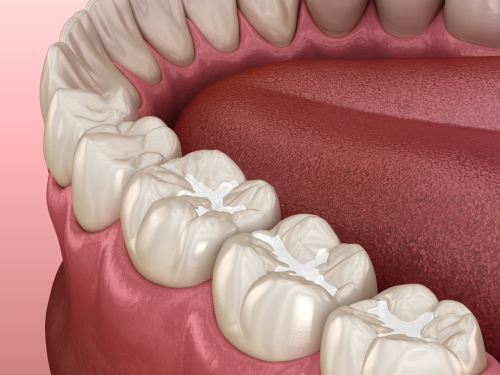
When we place a dental filling, we focus on restoring both the health and structure of your tooth so it can function comfortably again. We begin by removing the decayed or damaged portion. Once that area is cleared, we seal it to block bacteria from moving deeper toward the inner layers of the tooth.
Next, we rebuild what the tooth has lost. A filling restores its natural shape so it fits properly alongside neighboring teeth. That contact helps keep your bite balanced and allows pressure to distribute evenly when you chew. Restoring the tooth often eases the sensitivity and discomfort caused by a cavity or small crack.
A filling also reinforces the remaining tooth structure. When decay weakens a tooth, it becomes more prone to fractures over time. By restoring the lost portion, we support the tooth from within and reduce the risk of needing more extensive care later.
In visible areas, tooth-colored materials blend in with your natural enamel. The result looks consistent with the rest of your smile while still providing the protection the tooth needs.
You can think of a filling as repairing a small damaged area in something you rely on every day. We remove what no longer holds up, then rebuild and seal the space so the tooth feels solid, protected, and ready to function as it should.
Why White Fillings Are Commonly Used Today
Several types of dental fillings are available, each defined by the material used to restore the tooth. The choice influences how the filling looks, how it functions, and how it interacts with the remaining tooth structure.
Amalgam fillings, often called silver fillings, combine metals such as mercury, silver, tin, and copper. They handle strong biting forces well and have a long history of durability. Their dark, metallic color stands out against natural enamel, making them more noticeable when you speak or smile.
Gold fillings offer another durable option. A dental lab fabricates them, and a dentist cements them into place. They resist wear over time and can last for many years. Their metallic appearance is distinct and easily visible, and the additional fabrication steps often increase the overall cost.
White fillings, made from composite resin, use a tooth-colored material that blends with natural enamel. The shade can closely match the surrounding teeth, so the restoration is difficult to detect when you speak or smile.
Composite resin bonds directly to the tooth. Because of that connection, more of the healthy enamel and dentin can remain in place compared to traditional metal fillings. The bonded material reinforces the remaining tooth structure, helping it handle everyday pressure more effectively.
White fillings also work well for smaller repairs. Dentists often use them to address minor chips, smooth small cracks, or refine the shape of a tooth in visible areas while maintaining a natural look.
In most cases, tooth-colored fillings provide a balance of function, preservation of tooth structure, and aesthetics, which is why they are often the preferred option.
Restore Comfort and Function to Your Tooth
A small area of decay can change how a tooth feels and functions, even if it doesn’t seem urgent right away.
White fillings restore the tooth while maintaining its natural appearance and preserving as much of the existing healthy tooth structure as possible.
If you want to address a cavity before it progresses, improve chewing comfort, or repair a tooth that blends in naturally, contact us today to schedule a consultation.