
Many people seek help when they notice a cracked tooth and feel unsure about what to do next. Some cracks happen suddenly after a fall, a sports injury, or biting down on something hard. Others develop more gradually as chewing pressure, nighttime grinding, or temperature changes place stress on the enamel over time. Back teeth handle much of the force from biting and chewing, so a small crack in a molar or premolar can become painful before it looks serious.
Your teeth are strong, but they are not invincible. At Queen City Family Dentistry, we can examine the tooth, determine how serious the damage is, and explain whether you can wait for a routine visit or need more immediate care.
How Long Can You Wait With a Cracked Tooth?
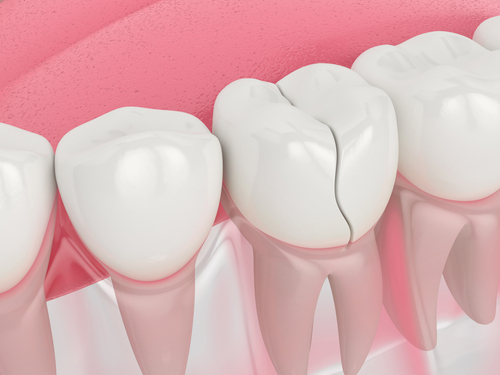
Not every crack in a tooth requires emergency care. Sometimes, you may notice a faint line, a rough edge, or a tiny chip and wonder if you need to call the dentist right away. In many cases, small cosmetic changes can wait until a routine dental visit, especially if you do not have pain, swelling, bleeding, sensitivity, or a loose tooth.
Craze lines and small enamel chips are among the most common forms of minor tooth damage. Craze lines are tiny surface cracks that stay within the enamel, which is the hard outer layer of the tooth. They often appear as faint white, gray, or brownish lines, especially on the front teeth. Small chips usually involve a minor loss of enamel, such as a tiny corner or rough edge, without exposing the deeper layers of the tooth.
These concerns often develop gradually. Normal wear, nighttime grinding, nail-biting, chewing on pens, or frequent exposure to acidic foods and drinks can place stress on the enamel over time. Since enamel does not contain nerves or blood vessels, these shallow cracks usually do not cause pain or create an immediate health risk.
During a regular appointment, we can examine the tooth and determine whether the damage is limited to the surface. In many cases, we can smooth a rough edge, polish the enamel, or use tooth-colored bonding to improve the tooth’s appearance. These treatments are usually simple and do not require urgent care.
However, waiting is usually appropriate when the tooth feels stable, and no symptoms develop. If the crack becomes painful, sensitivity increases, the tooth feels loose, or swelling appears, prompt attention may be needed.
Is a Cracked Tooth a Dental Emergency?
A cracked tooth becomes more urgent when the damage reaches deeper than the outer enamel layer.
Once a crack moves into the dentin, the softer layer beneath the enamel, the tooth may react to pressure, temperature, or sweets. When the crack reaches the pulp, where the nerves and blood vessels live, pain can intensify quickly. At that point, the tooth needs prompt restorative care because bacteria can travel through the crack and irritate or infect the inside of the tooth.
Several types of cracks can require same-day or next-day care from our office, including:
- A crack on the chewing surface: You may feel sharp pain when you bite down or release your bite.
- A broken cusp: A broken corner of a back tooth can weaken the tooth and expose the sensitive inner layers.
- A hidden crack: Some cracks do not look obvious in the mirror, but they can still cause sudden, sharp pain that comes and goes.
- A more severe fracture: A deep crack can split the tooth into separate sections or travel down into the root, making the tooth much harder to save.
You should call our office promptly if you notice pain when biting or releasing your bite, lingering sensitivity to hot or cold, swelling, bleeding around the tooth, a loose tooth, a deep, visible crack, or a crack that reaches the gumline. Bad taste, pus, fever, or facial swelling may point to an infection and should never wait for a routine appointment.
Delaying treatment can give bacteria more time to enter the tooth. Once infection reaches the nerve, you may need a root canal, crown, or extraction. Early care gives us a better chance to identify the crack, protect the tooth, and prevent a painful problem from worsening.
Find Out If Your Tooth Needs Prompt Care
A cracked tooth can feel stressful, especially when you are not sure whether the problem can wait or needs prompt care. At Queen City Family Dentistry, we can examine the tooth, identify how deep the crack goes, and explain what comes next.
Whether you noticed a faint line, chipped a small corner, or feel pain when you bite down, call our office. We’ll evaluate the tooth and help you move forward with the right care.