A dental extraction is not usually the answer someone hopes to hear. Most people want to keep their natural teeth whenever possible, and we understand why. But when a tooth starts causing pain, swelling, damage, or repeated problems, the question becomes less about what sounds ideal and more about what will protect your oral health.
At Queen City Family Dentistry, a dental extraction may be part of a treatment plan, but we never recommend it casually. We consider that removing a tooth can help restore your oral health, prevent further complications, and protect the rest of your smile. Our goal is to help you understand what is happening, what options you have, and why certain recommendations may give your mouth a healthier foundation moving forward.
Signs You May Need a Dental Extraction
When a Tooth Can No Longer Hold a Strong Repair
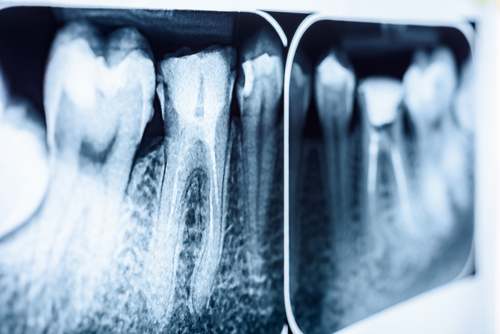
A cavity does not always mean a tooth needs to be removed. We can often treat a decayed tooth with a filling, crown, or another restoration. The concern becomes more serious when decay or repeated breakdown leaves too little healthy tooth structure behind.
For example, a large cavity may extend below the gumline or reach an area that cannot be sealed properly. A crown may seem possible at first, but the tooth still needs enough strength to hold that restoration during daily chewing. When the remaining tooth structure cannot support a lasting repair, extraction may become the more reliable option.
When Infection Keeps Coming Back
Tooth infections often start inside the tooth, where bacteria can reach the nerve tissue and spread toward the root. In many cases, root canal therapy can treat the infection and help preserve the tooth. However, the tooth still needs to be strong enough to function after treatment.
We may consider extraction when infection continues after previous treatment, when the root has been damaged, or when there is not enough tooth structure left to restore afterward.
When the Tooth Has Lost Too Much Support
A tooth can look fairly healthy above the gumline while struggling below the surface. Gum disease can damage the bone and tissue that support teeth. Over time, this can lead to deep pockets around the tooth, bone loss, and movement when you bite or chew.
When a tooth becomes too loose or unstable, saving it may no longer be predictable. In some cases, keeping a severely compromised tooth can also affect nearby teeth or make gum health harder to manage. We may recommend extraction when the tooth no longer has the foundation needed to remain stable.
When a Crack Reaches Too Far
We can often repair small chips and minor cracks. Deeper cracks create more uncertainty. When a crack travels below the gumline or reaches the root, it can weaken the tooth and make long-term repair unlikely.
Symptoms may come and go. You may notice pain when you bite down, sensitivity to temperature, or discomfort that feels difficult to trace. The right treatment can save some cracked teeth, but others lose too much structural stability. When the crack reaches the root or extends into an area we cannot predictably restore, extraction may be the safer option.
What Happens After a Dental Extraction?
A dental extraction solves one problem, but it also raises an important question: what should happen to the space left behind? Over the next several weeks, the gums close over the space while the bone underneath gradually reshapes.
Early healing typically takes 1 to 2 weeks, but deeper bone healing continues for several months. During that time, we may discuss replacement options such as a dental bridge, denture, or another solution based on your needs. The healing period gives your mouth time to recover while also giving us time to plan the next phase of care with the right foundation in mind.
Protect Your Oral Health With a Careful Treatment Plan
A dental extraction can feel like a serious recommendation, but it should never feel unclear. When a tooth causes ongoing pain, infection, instability, or damage, we can evaluate the situation and explain which options may help protect your oral health. At Queen City Family Dentistry, we look at the full picture before recommending treatment.
Schedule a visit to Queen City Family Dentistry to discuss your symptoms, your options, and the next step for your smile.