A chipped tooth can mean one of two things: the tooth needs cosmetic smoothing or the structure needs repair. Those are two very different concerns, which is why the size, depth, and location of the chip matter. A small chip in the enamel may only affect the way the tooth looks or feels against your tongue. A deeper chip can expose the sensitive layers underneath and put more of your oral health at risk.
At Queen City Family Dentistry in Amherst, we carefully evaluate chipped teeth to determine what happened, how serious it is, and what your smile needs next.
Chipped Tooth: Is it an Emergency?
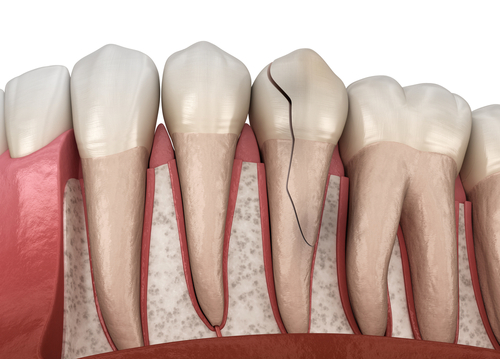
A tooth has layers, just like a house has an outer wall, structural support, and the systems inside. The outer layer of a tooth is extremely strong, but each layer underneath becomes more sensitive and more important to protect.
Enamel: The Tooth’s Protective Surface
Enamel is the hard, white outer covering you see when you smile. It helps protect the tooth from the daily stress of chewing, temperature changes, and bacteria.
If you have a small chip that affects only the enamel, it is often more of a cosmetic concern than a dental emergency. The tooth may feel rough, but it may not hurt or cause discomfort.
Dentin: The Layer That Can Trigger Sensitivity
Underneath the enamel, we find the dentin. This is a softer, yellowish layer that makes up most of the tooth.
When a chip extends into the dentin, the tooth needs closer attention. Dentin contains thousands of microscopic channels that connect to the center of the tooth. As a result, cold drinks, hot foods, or even air can trigger sensitivity.
Dentin is often a layer that will require repair. A chip that exposes dentin leaves the tooth less protected and more vulnerable to further damage.
Pulp and Root: The Areas That Need Prompt Attention
At the center of every tooth is the pulp. This area contains nerves, blood vessels, and connective tissue that keep the tooth alive.
When a chip reaches the pulp, symptoms often become more noticeable. Pain may develop, sensitivity can become intense, and bacteria can more easily enter the tooth. Once the pulp becomes inflamed or infected, treatment often becomes more involved and may require root canal therapy.
The root anchors the tooth in the jawbone and supports everything above it.
A chip or crack that extends into the root often requires more urgent attention. Root involvement can affect the tooth’s long-term stability and may require more complex treatment.
The Simple Rule of Thumb:
- A chip that stays within the enamel is often a minor problem.
- A chip that exposes dentin deserves attention because the tooth has lost part of its protective barrier.
- A chip that reaches the pulp or extends toward the root should be evaluated as soon as possible because the tooth’s nerve and blood supply may be at risk.
How We Repair a Chipped Tooth
Our repair method depends on the type of chip and how much of the tooth has been chipped away. It’s also important for us to assess which layer is exposed.
A small chip in the enamel may only need dental bonding. We place resin on the tooth, shape it, and harden it so the tooth looks and feels smoother again. A small chip in a back tooth may only require a filling if the chewing surface needs support.
Larger chips usually need a stronger repair. If the tooth has lost more structure, we may recommend a dental crown to cover and protect it.
A deeper chip can jeopardize the pulp, which contains the nerves and blood vessels. In that case, root canal therapy may be needed before we restore the tooth with a crown. If the tooth is split into the root or too damaged to repair, we may need to remove it.
When you come into our office, we will examine the tooth, look at how deep the chip goes, and explain which option fits the situation.
Talk to Us About Your Chipped Tooth Today
While not every chipped tooth requires urgent treatment, every chipped tooth does deserve a closer look. Whether your enamel is damaged or a deeper chip is exposing the dentin, the sooner we determine what your tooth needs, the sooner we can provide the right solution.
If your tooth feels rough, sensitive, painful, or simply doesn’t look the way it should, schedule an appointment at Queen City Family Dentistry so we can determine what happened and what your tooth needs to stay healthy.