
The teenage years can make appearance feel unusually important. Orthodontic treatment has a worthwhile destination: healthier alignment and a smile a teenager can carry into adulthood. Reaching that point, however, takes place during years when self-consciousness and concerns about appearance can be especially pronounced. For some teenagers, thinking about how their smile will change during treatment can be difficult, even when they want straighter teeth. Researchers studying adolescents ages 11 to 17 during their first year of Invisalign treatment found that the experience extended into several parts of daily life. The greatest change in oral health-related quality of life occurred shortly after treatment began, while psychosocial well-being improved over the year. Participants also reported becoming more conscientious about oral hygiene. The findings add useful context to Invisalign for teens: how treatment fits into a teenager’s life can be an important part of choosing how to straighten their teeth.
Clear aligners have qualities that can be particularly relevant during adolescence. They are less noticeable and removable for eating and brushing. But removability also puts part of the treatment in the teenager’s hands. Aligners must be worn consistently, tracked during meals and activities, cleaned, and changed according to the treatment plan. For parents, choosing Invisalign therefore involves two questions. Can clear aligners correct the orthodontic problem, and is my teenager ready to manage the responsibility that comes with wearing them?
How Much Responsibility Comes With Invisalign for Teens?
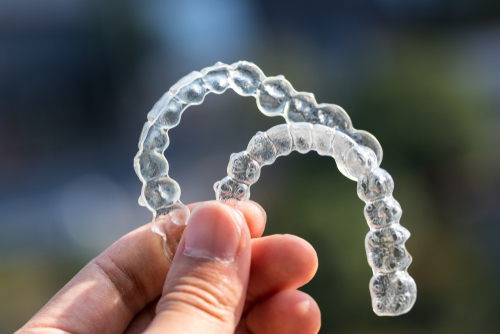
Responsibility can sound like a high bar when talking about Invisalign for teens. In practice, readiness usually shows up in smaller habits. Your teen must wear the aligners for about 20 to 22 hours each day. They must also remove them for meals, store them safely, and put them back in afterward. Teens also need to brush regularly, keep their aligners clean, change to a new set on schedule, and attend periodic appointments.
Thinking through a typical day can help families see where new habits may need to develop. School, sports, clubs, work, meals with friends, and changing schedules all create moments when the aligners come out and need to go back in. A case tucked into a backpack can help prevent lost trays. Phone reminders can keep aligner changes on schedule. Small systems like these can make the routine easier to maintain as it becomes more familiar.
Dr. Smith can talk through these habits with families before treatment begins. Along with evaluating the teeth and bite, she can identify what the Invisalign routine will require and how it may fit into a teen’s day.
What To Expect From the First Few Weeks of Invisalign Treatment
For many people, the beginning of Invisalign treatment introduces several unfamiliar sensations at once. The aligners fit snugly over the teeth, pressure begins as the teeth start moving, and speaking may sound slightly different while the tongue adjusts to the trays. Some teens notice increased saliva at first or minor irritation where an aligner edge meets the cheek or gums. Beginning a new set of aligners can also bring that same pressure or tenderness for a few days.
The same study that followed 40 teens through their first year with Invisalign also provides a closer look at the adjustment period. The biggest change in how treatment affected their daily lives appeared one week after they received their aligners. At later check-ins, that impact was smaller, suggesting that the earliest days of treatment can feel different from the months that follow.
How Does Oral Hygiene Change With Invisalign?
Clear aligners come out, which leaves the entire surface of each tooth accessible for brushing and flossing. That access is useful during orthodontic treatment, but what happens before the aligners go back in is important, too. Food debris and plaque left on the teeth can remain underneath the trays for hours at a time.
Teens should continue brushing twice a day with fluoride toothpaste and cleaning between their teeth daily. After meals, brushing before reinserting the aligners helps remove food and plaque before the teeth are covered again. The aligners also need regular cleaning, since they spend most of the day in direct contact with the teeth.
Regular dental exams and cleanings remain part of the routine while the teeth are moving. At Queen City Family Dentistry, our team can monitor the teeth and gums during Invisalign treatment.
Explore Invisalign for Teens in Amherst, NY
Straightening teeth takes time, and a teenager still has school, sports, friends, meals, and everything else happening around treatment. Invisalign can preserve some of that normalcy while gradually moving the teeth, as long as the aligners match both the orthodontic needs and the person wearing them.
At Queen City Family Dentistry, we can help your family determine if Invisalign makes sense for your teen now and what successful treatment would require along the way. Contact our Amherst, NY, office to book a consultation and learn more about Invisalign for teens.